Hey there 👋
this is Ani.
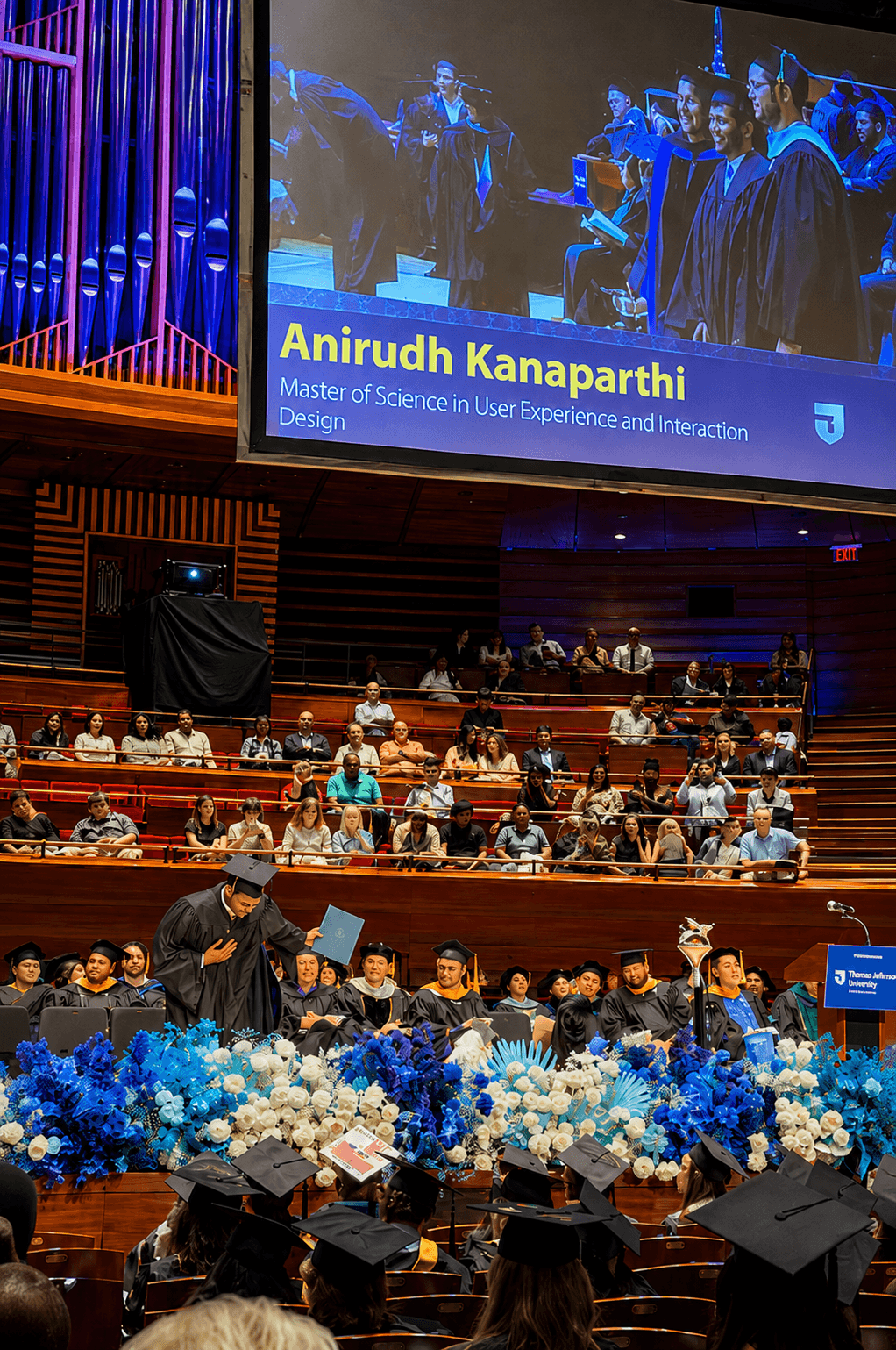
I am Anirudh, a product designer working on enterprise tools, design systems and the occasional consumer product.I started in the usual place...landing pages, admin panels, whatever needed doing and got obsessed with the moment a product stops being a demo and starts being someone’s Tuesday. That is where the interesting problems live: the empty state nobody speced, the table that has to hold four hundred rows, the setting a user changes once and never thinks about again. Today I spend most of my time on systems. I build the tokens, patterns and components a team ships against, so the answer to "how should this look?" is already in the library and everyone can get on with the harder question of what the thing should actually do. I work closely with engineers, prototype in code when it is faster than arguing about it, and care more about what a launch looks like two weeks later than how it presented in the review.
Open to senior product design roles
What I actually do
A senior product designer is five jobs in a trench coat
End-to-end ownership: the flows, the states, the edge cases and the twelfth screen nobody asked about. I design the whole surface, not the hero shot.
Interviews, usability sessions and enough analytics to know when I am wrong. I run lightweight studies continuously rather than one big study at the start.
Tokens, primitives, semantic aliases, component APIs and the documentation that makes them stick. The NXT library is 128 components across two brands.
High-fidelity prototypes when the interaction is the thing being decided. I will write the code version if it settles the argument faster.
Roadmap input, scoping, design QA and the rituals that keep a small team from re-deciding the same thing every sprint.
Typography, spacing, colour and motion. The layer everyone notices last and feels first.
How I think
The loop I run, every time
“What is actually happening here?”
Understand
Before a single frame: talk to the people using the thing, watch them work, read the support tickets. Most briefs describe a symptom, not the problem.
- Stakeholder and user interviews
- Shadow real sessions, not demos
- Audit what already exists
Methodology
I build with atomic design
Skillset
What is in the kit
Off the clock
There is a person behind the pixels
I decode songs on the guitar and sing them back
And I travel whenever the calendar lets me
Hover a place to find it on the globe